
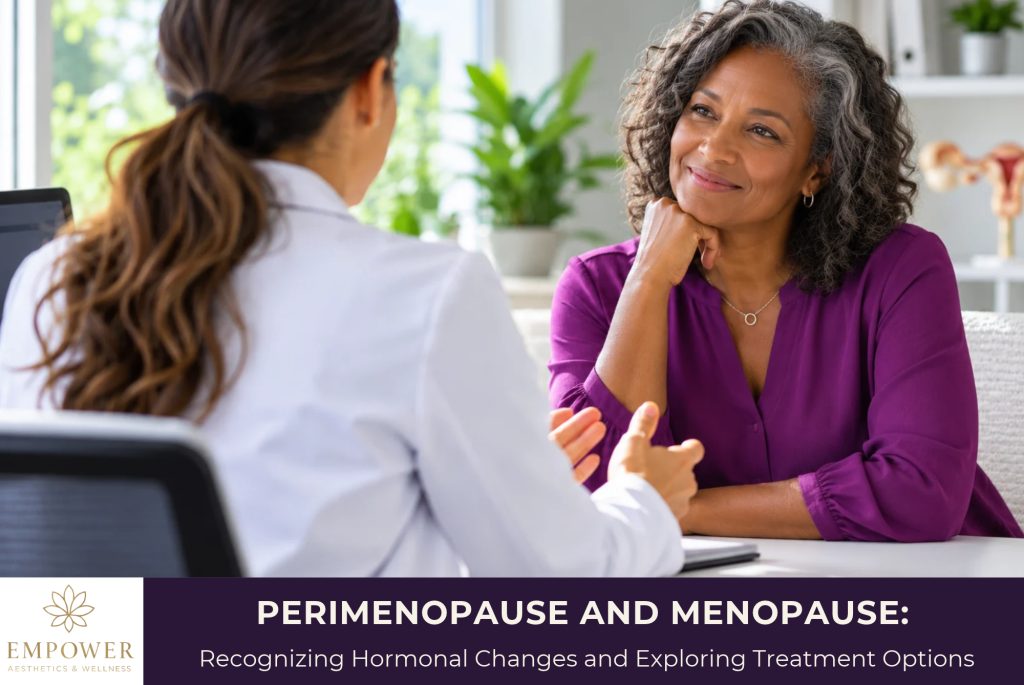
Perimenopause and menopause are natural reproductive transitions, but their symptoms can significantly affect daily comfort, sleep, and quality of life.
Understanding what is happening physiologically helps women distinguish common hormonal changes from symptoms requiring additional medical evaluation.
What Is Perimenopause?
Perimenopause is the transitional period before menopause when ovarian hormone production becomes less predictable.
Menstrual cycles may become shorter, longer, heavier, or irregular.
Symptoms can begin several years before the final menstrual period.
What Is Menopause?
Menopause is generally diagnosed after 12 consecutive months without menstruation when no other medical explanation is present.
The average age of natural menopause in the United States is approximately 51.
Menopause occurring before age 40 requires evaluation for possible primary ovarian insufficiency.
Common Symptoms
Women may experience hot flashes, night sweats, sleep disruption, mood changes, vaginal dryness, and changes in menstrual bleeding.
Symptoms vary considerably. Some women have minimal discomfort, while others experience substantial disruption.
Evidence-Based Treatment Options
Systemic hormone therapy is highly effective for bothersome hot flashes in appropriately selected patients.
Nonhormonal prescription options include certain antidepressants, fezolinetant, and other therapies depending on the patient’s clinical needs.
Fezolinetant requires liver-related monitoring because of a risk of serious liver injury.
Vaginal estrogen and other targeted therapies may be appropriate for genitourinary symptoms.
Lifestyle and Preventive Health
Regular exercise, adequate sleep, smoking cessation, and balanced nutrition support overall health during menopause.
Bone health, cardiovascular risk, and age-appropriate cancer screening should also be addressed.
Frequently Asked Questions About Menopause
How do I know if I am in perimenopause?
Changes in menstrual patterns combined with typical symptoms may suggest perimenopause.
Can menopause cause anxiety?
Mood symptoms can occur during the transition, but anxiety may also have unrelated causes.
Do I need hormone testing?
Women over 45 with typical symptoms often do not require routine hormone testing.
Can menopause cause weight gain?
Midlife weight changes reflect multiple factors, including aging, body composition, sleep, and hormonal changes.
When should I seek medical care?
Seek evaluation for severe symptoms, unusually heavy bleeding, bleeding after menopause, or symptoms affecting daily functioning.
Contact Information
Empower Aesthetics and Wellness
4981 South Arizona Ave, Suite 2 Chandler, AZ 85248
Phone: (480) 300-7350 Email: suzie@empoweraestheticsandwellness.com Website: empoweraestheticsandwellness.com Book Online: Schedule an Appointment